





UK Music Grants in 2026: Every Funding Opportunity Musicians Need to Know About
Two weeks ago, the UK government announced its biggest investment in music in a generation. The £45 million Turn It Up Music Growth Package, confirmed on 13 July 2026, opens for applications this summer, with grants available directly to recording studios, grassroots venues, independent artists, producers and music collectives across England.
For the community of musicians, producers and engineers working at Ten87 Studios, this is worth understanding in detail. But the government package is just one part of a broader funding landscape that many artists never fully explore. From Help Musicians’ rolling Record and Release fund to PRS Foundation’s career development grants, there is more financial support available in 2026 than most independent artists realise.
The Music Growth Package: what the government’s £45M announcement means for you
The Turn It Up plan is the centrepiece of the government’s Creative Industries Sector Plan, published in summer 2026. The £45 million Music Growth Package is administered by Arts Council England and covers three main strands.
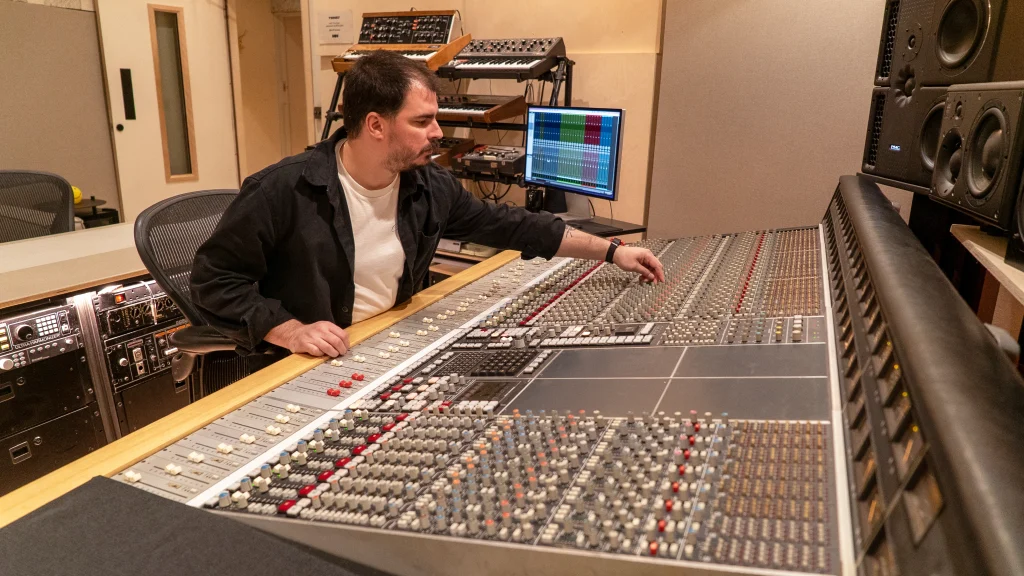
Infrastructure grants support around 500 projects involving grassroots venues, recording studios, rehearsal spaces, festivals and promoters. If you run a studio, rehearsal space or music organisation, this is the strand most relevant to you, and Ten87 Studios itself is publicly funded, which is part of why we’re able to offer the kind of long-term, community-focused environment we do.
Touring, showcasing and promotion funds approximately 500 projects plus 300 awards through the Early Career Promoter Fund, helping artists and promoters develop domestic and international audiences.
International development supports independent artists, labels and managers looking to build audiences outside the UK, including £4.8 million for the Music Export Growth Scheme through to 2029.
Music Creators Growth Fund, the strand most directly relevant to individual artists and producers, offers grants of £10,000 to £20,000 for artists, bands, producers and creative collectives. Full guidance is due in September 2026. This is the one to watch and prepare for now. Applications open through Arts Council England’s grants system. Full details at artscouncil.org.uk/music-growth-package.
Arts Council England: Supporting Grassroots Music
The Music Growth Package sits alongside Arts Council England’s existing rolling programmes, which remain open independently.
Supporting Grassroots Music is the most accessible route for music businesses and organisations. Grants of £1,000 to £40,000 are available for projects lasting up to three years, with monthly application deadlines throughout the year. Eligible applicants include music venues, festivals, promoters, rehearsal spaces, recording studios and sector bodies, making it relevant to studio communities as well as individual artists.
Round 11 closed 25 June 2026, with decisions due 17 August 2026. Round 12 deadlines are published on the Arts Council website.
National Lottery Project Grants offer open-access funding of £1,000 to £100,000 for individual practitioners and smaller organisations. These are broader in scope than music-specific programmes and work well for projects that combine music with community engagement, education or cultural impact.
Developing Your Creative Practice is specifically aimed at individual practitioners who want dedicated time for professional development, research, skills development, mentoring, or developing a new body of work. It is not a release fund, but works well alongside other funding as a way to build the creative foundation for a larger project. Full details and application deadlines at artscouncil.org.uk.
Help Musicians: the most directly relevant fund for recording artists
Help Musicians runs the most accessible and practically useful grants for independent artists preparing a release. If you are recording, mixing or mastering a new body of work, this should be your first application.
Record and Release offers grants of up to £3,000 covering studio hire, mastering, PR and marketing costs around a release. It is a rolling fund, applications are accepted at any time while funding remains available, with no fixed deadline. Solo artists, composers, producers, songwriters and group members are all eligible, provided you are self-managing, self-releasing or self-producing at least one aspect of your career.
Beyond the grant itself, the programme includes one-to-one business advice sessions through ThinkMusic and a health consultation with BAPAM (British Association for Performing Arts Medicine). For independent artists managing everything alone, these advisory sessions are often as valuable as the funding.
MOBO Help Musicians Fund offers up to £3,000 specifically for musicians working in hip-hop, grime, R&B, soul, African origin music, reggae, jazz and gospel.
Skills and Professional Development provides up to £1,500 for training, skills development or professional practice, useful if you want to invest in production skills, business knowledge or a specific technical development. The full range of Help Musicians programmes is at helpmusicians.org.uk.
PRS Foundation
The PRS Foundation is the UK’s leading independent funder of new music and talent development, with several programmes running concurrently across the year.
The Momentum Music Fund (in partnership with PPL) supports artists who are ready to take a significant next step in their career, typically artists with a track record who need funding to move from emerging to established. It covers recording, touring, marketing and professional development.
The Open Fund for Music Creators supports individuals at earlier stages, new releases, recording projects, creative collaborations and showcasing. Applications are accepted on a rolling basis through three deadlines per year.
The International Showcase Fund supports artists invited to play at international showcases and festivals, covering travel, accommodation and promotional costs.
PPL Momentum Accelerator programmes run regionally across the UK, with dedicated programmes for artists in Yorkshire, Liverpool City Region and Wales offering tailored development support.
PRS Foundation programmes are competitive and reward applications that demonstrate a clear creative vision, a realistic delivery plan and strong evidence of existing momentum. Full details at prsfoundation.com.
Youth Music
Youth Music funds organisations and projects working with young people in music, rather than individual artists applying for recording grants. If you run workshops, education programmes or community music projects involving under-25s, Youth Music is a significant funder.
Programmes include the Trailblazer Fund (£2,000–£30,000 for innovative projects), the NextGen Fund (up to £2,500 for young creatives aged 18–25 developing their own practice) and the Incubator Fund (£5,000–£30,000 for businesses and collectives creating career opportunities for young people in music). Full details at youthmusic.org.uk.
Music Export Growth Scheme
For artists beginning to build an international audience, the Music Export Growth Scheme provides match funding for UK independent music SMEs pursuing international marketing and promotion campaigns.
The scheme has been confirmed through to 2029 under the Turn It Up plan, with £4.8 million committed. It is most relevant to artists with existing UK traction looking to enter specific overseas markets; the application requires a clear export strategy and evidence of commercial readiness.
Regional and local funding
Many artists underestimate what is available at regional and local level. Competition is often lower than national schemes and funders at this level tend to prioritise projects with clear local impact.
In London and across the wider UK, worth exploring:
Haringey, where Ten87 Studios is based, has its own grant programmes including the Carbon Community Fund, which supported our solar installation at Markfield Road. Local funding relationships are worth building even before a specific application is needed.
What grants can actually pay for
This is worth being clear about, because many artists underestimate how broadly grant funding can be applied once a project is properly framed.
Depending on the scheme, grants regularly cover:
Professional studio time is specifically named as an eligible cost in multiple schemes, including Help Musicians’ Record and Release fund. A well-prepared application that includes verifiable studio costs, with a booking or quote from a named studio, is more credible than a vague recording budget line.
How to write a stronger application
Strong applications rarely succeed on the idea alone. Every major funder is assessing the same four things.
Creative vision. What are you making, why does it matter, and why now? The strongest applications are specific about the artistic ambition, not just recording an EP, but what makes this project distinctive and what it adds to the wider music landscape.
Audience. Who will engage with this work and how will you reach them? Funders want to see that the project has a realistic path to having impact beyond the artist themselves.
Delivery plan. A realistic timeline with milestones, named collaborators and a clear sense of what happens at each stage. Vague plans signal risk.
Budget. Accurate, itemised costings for every element. Costs that can be verified, a studio quote, a confirmed fee, a travel estimate based on actual routes, are more persuasive than round numbers. Studio hire from a named professional space is a strong budget line precisely because it is verifiable and demonstrates planning.
One practical note: Help Musicians specifically publishes a guide to funding application dos and don’ts, which is worth reading regardless of which scheme you are applying to. Find it at helpmusicians.org.uk.
Making the most of your creative environment
Funding pays for time, equipment and opportunity. What it cannot manufacture is the environment that turns those resources into good work.
At Ten87 Studios, we have built more than recording facilities. Over 60 professional studios across Tottenham, home to a community of musicians, producers, engineers and creative businesses who work alongside one another every day. The informal connections that happen in a studio community, the collaboration that starts between sessions, the feedback from someone working next door, the introductions that lead to projects, are the conditions that make funded work actually land.
If you are preparing a funding application and need a professional recording environment that strengthens your budget, or if you are a long-term member planning your next project, our funding resources page has the full directory of schemes we know and recommend. And if you want to talk through what a recording project at Ten87 Studios might look like, get in touch directly.